PROGRAMS & WORKSHOPS
Wellness Programs for Caribbean Communities
Culturally grounded programs that build resilience and connection for families, educators, and frontline helpers.
PROGRAMS & WORKSHOPS
Wellness Programs for Caribbean Communities
Culturally grounded programs that build resilience and connection for families, educators, and frontline helpers.
BAHALI SIGNATURE WORKSHOPS
Programs Designed to Strengthen communities, Families, and well-Being
Our signature workshops bring together trauma-informed practices,
cultural responsiveness, and practical strategies to support emotional wellness
across schools, organizations, families, and communities.
Leading a Culture of Wellness
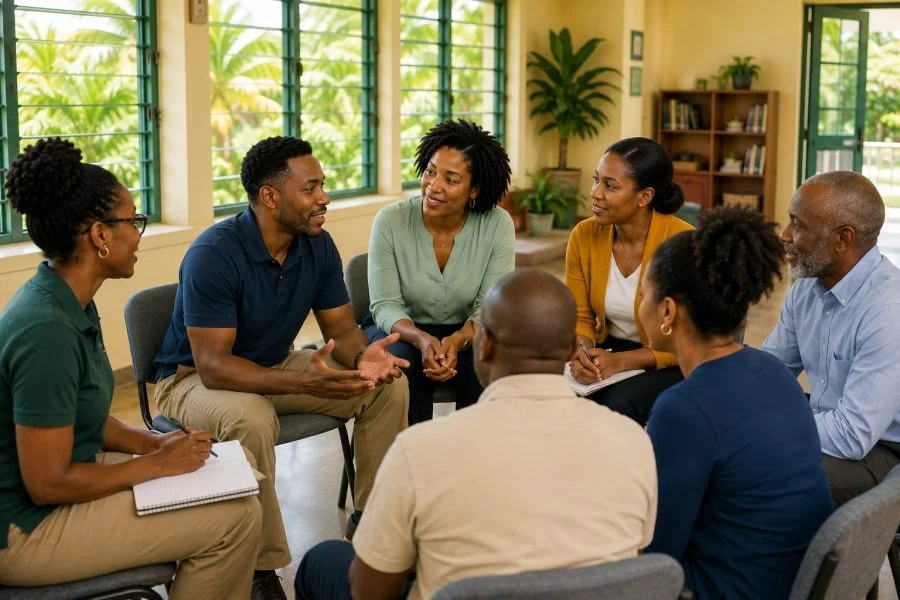
Supporting leaders in creating environments where people feel valued, connected, and able to thrive
BEST FOR:
Psychology First Aid for Community Helpers
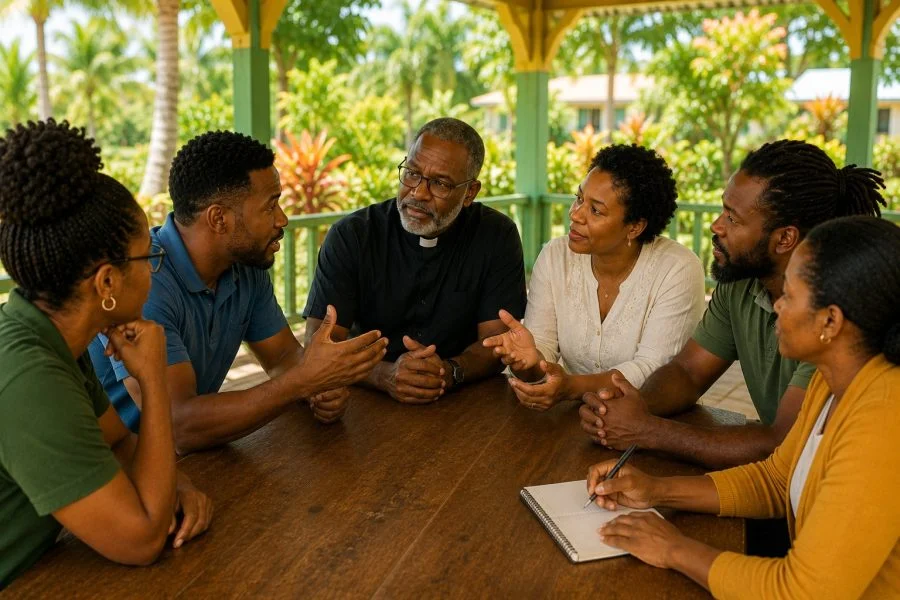
Practical skills for supporting individuals and communities after difficult events while promoting safety, connection, and emotional recovery.
BEST FOR:
Caribbean Parenting Across Generations
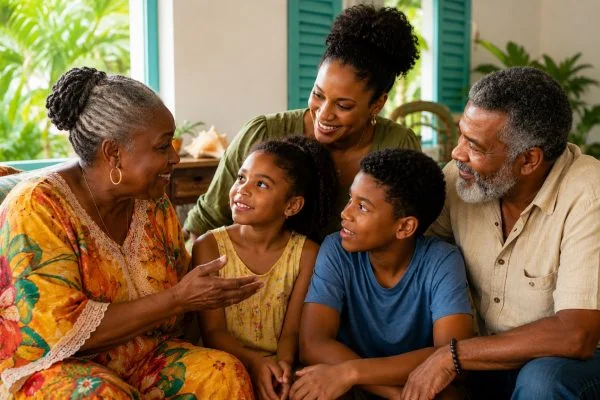
Honoring cultural wisdom while strengthening communication, connection, and resilience within today’s families.
BEST FOR:
Big Feelings, Brave Hearts
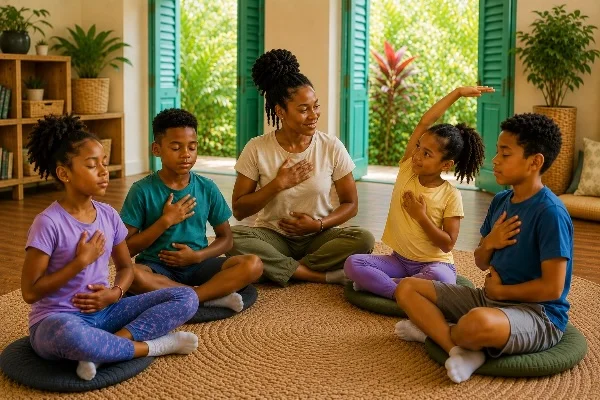
Helping children understand emotions, build coping skills, and face life’s challenges with confidence and self-belief.
BEST FOR:
BAHALI SIGNATURE WORKSHOPS
Programs Designed to Strengthen communities, Families, and well-Being
Our signature workshops bring together trauma-informed practices, cultural responsiveness, and practical strategies to support emotional wellness across schools, organizations, families, and communities.
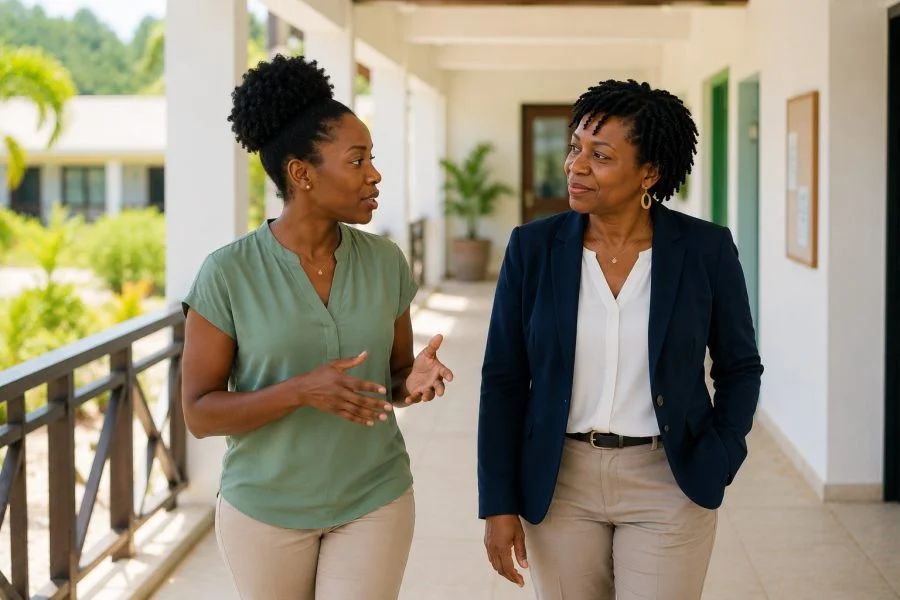
Leading a Culture of Wellness
Supporting leaders in creating environments where people feel valued, connected, and able to thrive
BEST FOR:
Psychology First Aid for Community Helpers
Practical skills for supporting individuals and communities after difficult events while promoting safety, connection, and emotional recovery.
BEST FOR:
Caribbean Parenting Across Generations
Honoring cultural wisdom while strengthening communication, connection, and resilience within today’s families.
BEST FOR:
Big Feelings, Brave Hearts
Helping children understand emotions, build coping skills, and face life’s challenges with confidence and self-belief.
BEST FOR:
EXPLORE OUR PROGRAMS
Find the programs designed for the people and communities we support.
EXPLORE OUR PROGRAMS
Find the programs designed for the people and communities we support.

Helping young people understand emotions, build confidence, and thrive.
6 Programs

Strengthening families through connection, communication, and emotional support.
6 Programs

Supporting educators and school communities to foster wellbeing and resilience.
6 Programs

Building resilient communities and supporting those who support others.
5 Programs

Empowering organizations and professionals to create cultures of care and sustainable wellbeing.
4 Programs

Helping young people understand emotions, build confidence, and thrive.
6 Programs
Strengthening families through connection, communication, and emotional support.
6 Programs
Supporting educators and school communities to foster wellbeing and resilience.
6 Programs
Building resilient communities and supporting those who support others.
5 Programs
Empowering organizations and professionals to create cultures of care and sustainable wellbeing.
4 Programs
PROGRAM CATALOG
Browse all programs and workshops. Filter by audience to find what fits your needs.
PROGRAM CATALOG
Browse all programs and workshops. Filter by audience to find what fits your needs.
Children & Youth
Helping children and adolescents build emotional awareness, coping skills, confidence, and connection through engaging, culturally responsive experiences.


Rooted in Caribbean strength and stories.
Designed for today’s children & youth.
-
Big Feelings, Brave Hearts
Helping children understand, express, and navigate big emotions with confidence and care.
Ages 5 - 10Through stories, movement, games, and hands-on activities, children build emotional vocabulary, practice calm-body skills, and learn healthy ways to seek support and connect with trusted adults.
Participants will explore:
Naming and understanding emotionsRecognizing how feelings show up in the bodyCalm-body strategies for overwhelming momentsExpressing needs in healthy waysIdentifying trusted helpers and support systems -
Calm Minds, Strong Hearts
Helping children and teens build practical skills to manage stress, calm their bodies, and navigate overwhelming moments with confidence.
Ages 6 - 12Young people often notice stress in their bodies before they have the words to describe what they are feeling. Through engaging, age-appropriate activities, participants practice strategies they can use at home, at school, and in everyday life; learning that calm minds and strong bodies are built through practice, support, and self-awareness, not perfection.
Participants will explore:
Recognizing the body’s signals of stress and overwhelmPracticing breathing, grounding, and mindfulness skillsCalming strong emotions in healthy waysBuilding a personal coping toolbox for everyday lifeIdentifying what helps them feel safe and supported -
Growing Through Change
Helping children and teens navigate life’s transitions with resilience, flexibility, and hope.
Ages 8 - 17Change is a natural part of growing up, but it can also bring uncertainty, worry, and big emotions. Whether adjusting to a new school, experiencing changes within the family, navigating shifting friendships, or facing other life transitions, young people can learn practical strategies to adapt, stay connected, and move forward with confidence and hope.
Participants will explore:
Understanding feelings that often come with change and uncertaintyCoping with disappointment, stress, and unexpected challengesBuilding flexibility and problem-solving skillsIdentifying personal strengths and trusted sources of supportGrowing hope and confidence during life’s transitions -
Friendship, Belonging & Being Yourself
Helping children and teens navigate life’s transitions with resilience, flexibility, and hope.
Ages 9 - 17Friendships and peer relationships play an important role in how young people see themselves and experience the world around them. Through interactive activities and guided discussions, participants explore what it means to be a good friend, navigate peer pressure, celebrate what makes them unique, and build the confidence to stay true to who they are.
Participants will explore:
Building healthy, supportive friendshipsRecognizing and responding to peer pressureCommunicating with kindness, honesty, and respectAppreciating differences and celebrating individualityGrowing confidence to stay true to their values and identity -
Brave Voices
Helping children and teens speak up, express their needs, and use their voices with confidence and respect.
Ages 8 - 17Many young people are taught to stay quiet, avoid conflict, or place the needs of others before their own. Brave Voices helps children and teens understand that their thoughts, feelings, needs, and boundaries matter.
Through interactive activities, role-playing, and guided conversation, participants practice expressing themselves clearly, asking for help, and advocating for themselves in ways that are respectful, confident, and compassionate.
Participants will explore:
Expressing thoughts and feelings in healthy waysAsking for help from trusted adults and support systemsSetting and communicating personal boundariesBuilding confidence, assertiveness, and self-advocacy skillsUsing their voice with courage, empathy, and respect -
Island Roots, Strong Futures
Helping children and teens explore identity, culture, and the strengths they carry from their families and communities.
Ages 9 - 17Young people thrive when they have a strong sense of who they are and where they come from. Through storytelling, reflection, creative activities, and guided conversations, participants celebrate their unique identities, explore the values and traditions that shape them, and recognize the strengths they can draw upon as they grow. The workshop encourages pride in cultural heritage while helping youth build confidence, purpose, and hope for the future.
Participants will explore:
Building pride in their cultural identity and personal storyRecognizing the strengths and values passed down through family and communityAppreciating differences while honoring what makes them uniqueNavigating multiple identities and a sense of belongingGrowing confidence, purpose, and hope for the future


Children & Youth
Helping children and adolescents build emotional awareness, coping skills, confidence, and connection through engaging, culturally responsive experiences.
Rooted in Caribbean strength and stories.
Designed for today’s children & youth.
-
Big Feelings, Brave Hearts
Helping children understand, express, and navigate big emotions with confidence and care.
Ages 5 - 10Through stories, movement, games, and hands-on activities, children build emotional vocabulary, practice calm-body skills, and learn healthy ways to seek support and connect with trusted adults.
Participants will explore:
Naming and understanding emotionsRecognizing how feelings show up in the bodyCalm-body strategies for overwhelming momentsExpressing needs in healthy waysIdentifying trusted helpers and support systems -
Calm Minds, Strong Hearts
Helping children and teens build practical skills to manage stress, calm their bodies, and navigate overwhelming moments with confidence.
Ages 6 - 12Young people often notice stress in their bodies before they have the words to describe what they are feeling. Through engaging, age-appropriate activities, participants practice strategies they can use at home, at school, and in everyday life; learning that calm minds and strong bodies are built through practice, support, and self-awareness, not perfection.
Participants will explore:
Recognizing the body’s signals of stress and overwhelmPracticing breathing, grounding, and mindfulness skillsCalming strong emotions in healthy waysBuilding a personal coping toolbox for everyday lifeIdentifying what helps them feel safe and supported -
Growing Through Change
Helping children and teens navigate life’s transitions with resilience, flexibility, and hope.
Ages 8 - 17Change is a natural part of growing up, but it can also bring uncertainty, worry, and big emotions. Whether adjusting to a new school, experiencing changes within the family, navigating shifting friendships, or facing other life transitions, young people can learn practical strategies to adapt, stay connected, and move forward with confidence and hope.
Participants will explore:
Understanding feelings that often come with change and uncertaintyCoping with disappointment, stress, and unexpected challengesBuilding flexibility and problem-solving skillsIdentifying personal strengths and trusted sources of supportGrowing hope and confidence during life’s transitions -
Friendship, Belonging & Being Yourself
Helping children and teens navigate life’s transitions with resilience, flexibility, and hope.
Ages 9 - 17Friendships and peer relationships play an important role in how young people see themselves and experience the world around them. Through interactive activities and guided discussions, participants explore what it means to be a good friend, navigate peer pressure, celebrate what makes them unique, and build the confidence to stay true to who they are.
Participants will explore:
Building healthy, supportive friendshipsRecognizing and responding to peer pressureCommunicating with kindness, honesty, and respectAppreciating differences and celebrating individualityGrowing confidence to stay true to their values and identity -
Brave Voices
Helping children and teens speak up, express their needs, and use their voices with confidence and respect.
Ages 8 - 17Many young people are taught to stay quiet, avoid conflict, or place the needs of others before their own. Brave Voices helps children and teens understand that their thoughts, feelings, needs, and boundaries matter.
Through interactive activities, role-playing, and guided conversation, participants practice expressing themselves clearly, asking for help, and advocating for themselves in ways that are respectful, confident, and compassionate.
Participants will explore:
Expressing thoughts and feelings in healthy waysAsking for help from trusted adults and support systemsSetting and communicating personal boundariesBuilding confidence, assertiveness, and self-advocacy skillsUsing their voice with courage, empathy, and respect -
Island Roots, Strong Futures
Helping children and teens explore identity, culture, and the strengths they carry from their families and communities.
Ages 9 - 17Young people thrive when they have a strong sense of who they are and where they come from. Through storytelling, reflection, creative activities, and guided conversations, participants celebrate their unique identities, explore the values and traditions that shape them, and recognize the strengths they can draw upon as they grow. The workshop encourages pride in cultural heritage while helping youth build confidence, purpose, and hope for the future.
Participants will explore:
Building pride in their cultural identity and personal storyRecognizing the strengths and values passed down through family and communityAppreciating differences while honoring what makes them uniqueNavigating multiple identities and a sense of belongingGrowing confidence, purpose, and hope for the future
Parents & Families
Supporting parents and caregivers in strengthening connection, navigating life’s challenges, and nurturing resilience through compassionate, culturally responsive guidance.

Rooted in Caribbean wisdom and resilience.
Created to support today’s families.
Parents & Families

Supporting parents and caregivers in strengthening connection, navigating life’s challenges, and nurturing resilience through compassionate, culturally responsive guidance.
Rooted in Caribbean wisdom and resilience.
Created to support today’s families.
-
Caribbean Parenting Across Generations
Honoring the wisdom of the past while nurturing the needs of today’s children and teens.
Parents, grandparents, and caregivers of children and teens.Families often carry traditions, values, and parenting practices shaped by culture, migration, and lived experience. This workshop creates space for caregivers to reflect on what they have inherited, celebrate the strengths within their families, and explore ways to foster intergenerational connection with compassion and understanding.
Participants will explore:
Understanding cultural values and parenting beliefsBridging generational differences with empathy and respectApproaches to discipline that balance structure and connectionSupporting children’s identity, belonging, and sense of selfHonoring family traditions while adapting to changing times -
Raising Children with Emotional Confidence
Helping children understand emotions, build coping skills, and face life’s challenges with resilience and self-belief.
Parents and caregivers of children ages 3-17Children are not born knowing how to name their feelings, calm their bodies, or navigate disappointment and stress. This workshop equips caregivers with practical tools to support emotional growth, strengthen connection, and help children develop the confidence to manage life’s ups and downs in healthy ways.
Participants will explore:
Helping children understand and name their emotionsResponding to big feelings with confidence and compassionUsing co-regulation and emotion coaching strategiesTeaching coping, problem-solving, and calm-body skillsBuilding resilience through everyday experiences and challenges -
Strong Families, Connected Families
Strengthening the relationships that help families grow, heal, and thrive.
Parents, grandparents, caregivers, and families navigating disasters, community crises, major life stressors, or periods of uncertainty.Families may face many kinds of storms: natural disasters, community crises, financial hardship, health challenges, or unexpected life changes. This workshop offers practical tools to help caregivers support their children’s emotional well-being, maintain a sense of safety and routine, and draw upon the strengths that help families recover and move forward together.
Participants will explore:
Understanding how stress and crises affect children and familiesHelping children feel safe, supported, and emotionally secureCreating routines and predictability during times of disruptionPracticing family coping and calm-body strategiesNurturing hope, connection, and resilience throughout recovery -
Weathering the Storm as a Family
Finding steadiness, connection, and hope through life’s storms and seasons of uncertainty.
Parents, grandparents, caregivers, and families navigating disasters, community crises, major life stressors, or periods of uncertainty.Families may face many kinds of storms: natural disasters, community crises, financial hardship, health challenges, or unexpected life changes. This workshop offers practical tools to help caregivers support their children’s emotional well-being, maintain a sense of safety and routine, and draw upon the strengths that help families recover and move forward together.
Participants will explore:
Understanding how stress and crises affect children and familiesHelping children feel safe, supported, and emotionally secureCreating routines and predictability during times of disruptionPracticing family coping and calm-body strategiesNurturing hope, connection, and resilience throughout recovery -
Helping Families Through Change and Loss
Supporting families as they navigate life’s transitions with compassion, connection, and hope.
Parents, grandparents, caregivers, and families experiencing grief, separation, relocation, illness, divorce, or other major life transitions.Families experience many seasons of change, from grief and separation to relocation, illness, divorce, and other unexpected transitions. This workshop helps caregivers and families create space for difficult emotions, support one another through uncertainty, and discover ways to adapt while holding on to what matters most.
Participants will explore:
Talking openly about change, loss, and difficult emotions.Supporting children and teens through life’s transitions.Honoring what matters while adapting to new routines.Strengthening connection and resilience during uncertain times.Finding hope and moving forward together as a family. -
Caring for Yourself While Caring for Others
Supporting caregiver well-being so you can continue showing up with presence, patience, and compassion.
Parents, grandparents, kinship caregivers, and anyone in a caregiving role.Parents and caregivers often place their own needs at the bottom of the list while caring for everyone around them. This workshop encourages caregivers to recognize that their well-being matters, offering practical tools to reduce stress, strengthen resilience, and create sustainable habits of care that benefit the entire family.
Participants will explore:
Recognizing the signs of stress, overwhelm, and burnoutPracticing self-compassion and letting go of caregiver guiltSetting healthy boundaries and asking for supportBuilding practical coping and renewal strategiesIdentifying sources of connection, joy, and restoration


-
Caribbean Parenting Across Generations
Honoring the wisdom of the past while nurturing the needs of today’s children and teens.
Parents, grandparents, and caregivers of children and teens.Families often carry traditions, values, and parenting practices shaped by culture, migration, and lived experience. This workshop creates space for caregivers to reflect on what they have inherited, celebrate the strengths within their families, and explore ways to foster intergenerational connection with compassion and understanding.
Participants will explore:
Understanding cultural values and parenting beliefsBridging generational differences with empathy and respectApproaches to discipline that balance structure and connectionSupporting children’s identity, belonging, and sense of selfHonoring family traditions while adapting to changing times -
Raising Children with Emotional Confidence
Helping children understand emotions, build coping skills, and face life’s challenges with resilience and self-belief.
Parents and caregivers of children ages 3-17Children are not born knowing how to name their feelings, calm their bodies, or navigate disappointment and stress. This workshop equips caregivers with practical tools to support emotional growth, strengthen connection, and help children develop the confidence to manage life’s ups and downs in healthy ways.
Participants will explore:
Helping children understand and name their emotionsResponding to big feelings with confidence and compassionUsing co-regulation and emotion coaching strategiesTeaching coping, problem-solving, and calm-body skillsBuilding resilience through everyday experiences and challenges -
Strong Families, Connected Families
Strengthening the relationships that help families grow, heal, and thrive.
Parents, grandparents, caregivers, and families navigating disasters, community crises, major life stressors, or periods of uncertainty.Families may face many kinds of storms: natural disasters, community crises, financial hardship, health challenges, or unexpected life changes. This workshop offers practical tools to help caregivers support their children’s emotional well-being, maintain a sense of safety and routine, and draw upon the strengths that help families recover and move forward together.
Participants will explore:
Understanding how stress and crises affect children and familiesHelping children feel safe, supported, and emotionally secureCreating routines and predictability during times of disruptionPracticing family coping and calm-body strategiesNurturing hope, connection, and resilience throughout recovery -
Weathering the Storm as a Family
Finding steadiness, connection, and hope through life’s storms and seasons of uncertainty.
Parents, grandparents, caregivers, and families navigating disasters, community crises, major life stressors, or periods of uncertainty.Families may face many kinds of storms: natural disasters, community crises, financial hardship, health challenges, or unexpected life changes. This workshop offers practical tools to help caregivers support their children’s emotional well-being, maintain a sense of safety and routine, and draw upon the strengths that help families recover and move forward together.
Participants will explore:
Understanding how stress and crises affect children and familiesHelping children feel safe, supported, and emotionally secureCreating routines and predictability during times of disruptionPracticing family coping and calm-body strategiesNurturing hope, connection, and resilience throughout recovery -
Helping Families Through Change and Loss
Supporting families as they navigate life’s transitions with compassion, connection, and hope.
Parents, grandparents, caregivers, and families experiencing grief, separation, relocation, illness, divorce, or other major life transitions.Families experience many seasons of change, from grief and separation to relocation, illness, divorce, and other unexpected transitions. This workshop helps caregivers and families create space for difficult emotions, support one another through uncertainty, and discover ways to adapt while holding on to what matters most.
Participants will explore:
Talking openly about change, loss, and difficult emotions.Supporting children and teens through life’s transitions.Honoring what matters while adapting to new routines.Strengthening connection and resilience during uncertain times.Strengthening connection and resilience during uncertain -
Caring for Yourself While Caring for Others
Supporting caregiver well-being so you can continue showing up with presence, patience, and compassion.
Parents, grandparents, kinship caregivers, and anyone in a caregiving role.Parents and caregivers often place their own needs at the bottom of the list while caring for everyone around them. This workshop encourages caregivers to recognize that their well-being matters, offering practical tools to reduce stress, strengthen resilience, and create sustainable habits of care that benefit the entire family.
Participants will explore:
Recognizing the signs of stress, overwhelm, and burnoutPracticing self-compassion and letting go of caregiver guiltSetting healthy boundaries and asking for supportBuilding practical coping and renewal strategiesIdentifying sources of connection, joy, and restoration
School & Educators
Supporting students, educators, and school communities in promoting emotional wellness, nurturing belonging, and building resilience through culturally responsive, trauma-informed programs.


Rooted in Caribbean wisdom and resilience.
Created to support today’s school communities.
-
Helping Students Thrive
Helping children and teens build the emotional awareness, coping skills, confidence, and resilience needed to thrive in school and life.
Students, educators, school counselors, and youth-serving professionals.Students face increasing academic, social, and emotional pressures that can affect their well-being, relationships, and ability to learn. This workshop equips school communities with practical, age-appropriate strategies to help students better understand their emotions, manage challenges, strengthen self-confidence, and develop healthy coping strategies. Grounded in Bahali’s culturally responsive and trauma-informed approach, the workshop promotes emotional wellness as a foundation for learning, growth, and lifelong success.
Participants will explore:
Understanding emotions and recognizing how they influence thoughts, behaviors, and relationshipsBuilding healthy coping skills for managing stress, frustration, disappointment, and anxietyStrengthening self-confidence, emotional resilience, and problem-solving abilitiesEncouraging help-seeking, self-advocacy, and supportive peer connectionsCreating school environments that support emotional wellness, growth, and student success -
Creating Cultures of Belonging
Helping schools foster connection, inclusion, and meaningful relationships so every student feels seen, valued, and supported.
Educators, school counselors, administrators, support staff, and school communities.A strong sense of belonging is one of the most important factors influencing student well-being, engagement, and success. When students feel connected to their peers, educators, and school community, they are more likely to participate, persevere through challenges, and thrive. This workshop explores practical strategies for creating welcoming, inclusive school environments where every student experiences connection, respect, and a sense of purpose.
Participants will explore:
Understanding the role of belonging in emotional wellness, learning, and student successCreating inclusive environments where students feel respected, valued, and connectedStrengthening peer relationships through empathy, kindness, and positive communicationRecognizing and addressing barriers that may contribute to isolation, exclusion, or disconnectionBuilding school cultures that promote connection, community, and a shared sense of belonging -
Making Mental Wellness Matter
Building understanding, reducing stigma, and creating supportive school communities where emotional wellness is valued and openly discussed.
Students, educators, school counselors, administrators, families, and school communities.Mental wellness is an essential part of overall health, yet many young people and adults continue to face stigma, misunderstanding, and barriers to seeking support. In many Caribbean and multicultural communities, conversations about emotional well-being are often limited, leaving individuals to struggle in silence. This workshop helps schools foster a culture of awareness, compassion, and understanding while equipping participants with practical knowledge to promote emotional wellness and encourage help-seeking when needed.
Participants will explore:
Understanding the connection between emotional wellness, learning, relationships, and overall well-beingRecognizing common signs of stress, emotional distress, and when additional support may be neededChallenging myths, stigma, and misconceptions surrounding mental health and emotional wellnessEncouraging supportive conversations and help-seeking among students, families, and staffCreating school communities where emotional wellness is normalized, valued, and supported -
Strengthening Family Partnerships
Building meaningful connections between schools and families to support student well-being, learning, and long-term success.
Educators, school counselors, administrators, parents, caregivers, and family engagement teams.Strong partnerships between schools and families create a foundation for student success. When caregivers and educators work together, students benefit from greater consistency, support, and connection across home and school environments. This workshop explores practical, culturally responsive approaches to strengthening communication, building trust, and fostering collaborative relationships that support the well-being and development of children and teens.
Participants will explore:
Understanding the important role families play in supporting student wellness, growth, and achievementBuilding trust and strengthening communication between schools, caregivers, and communitiesCreating meaningful opportunities for family engagement that are welcoming, inclusive, and culturally responsiveNavigating challenges and difficult conversations with empathy, respect, and collaborationDeveloping shared approaches that support student well-being, resilience, and success across home and school settings -
Sustaining Educator Well-Being
Supporting educators in caring for their own well-being so they can continue teaching, leading, and serving with purpose, presence, and resilience.
Teachers, school counselors, administrators, support staff, and school leaders.Educators play a vital role in students’ lives, often balancing the demands of teaching, caregiving, leadership, and responding to others’ needs. Over time, these responsibilities can contribute to stress, exhaustion, and burnout. This workshop creates space for educators to reflect on their own well-being while learning practical strategies that promote resilience, restore balance, and support sustainable caregiving. By investing in educator wellness, schools strengthen not only their staff but the entire school community.
Participants will explore:
Recognizing the impact of stress, burnout, and compassion fatigue on personal and professional well-beingIdentifying practical strategies for managing stress and building everyday resilienceEstablishing healthy boundaries that support both effectiveness and well-beingCultivating self-compassion, reflection, and restorative practices that promote long-term wellnessCreating school cultures that prioritize staff well-being, connection, and mutual support -
Building Resilient School Communities
Helping schools prepare for, navigate, and recover from adversity, change, and community challenges with resilience, connection, and hope.
Educators, school counselors, administrators, support staff, families, and school communities.Schools play a critical role in helping children, families, and staff respond to life’s challenges. Whether facing natural disasters, community crises, loss, periods of uncertainty, or significant change, resilient school communities are better equipped to support well-being, maintain connection, and foster recovery. Drawing on Bahali’s experience in community healing and disaster recovery, this workshop provides practical, trauma-informed strategies that strengthen resilience before, during, and after difficult times.
Participants will explore:
Understanding resilience as a skill that can be nurtured in individuals, relationships, and communitiesRecognizing the impact of adversity, loss, uncertainty, and change on students, families, and educatorsBuilding protective factors that promote emotional wellness, coping, and recoverySupporting supportive communication, connection, and help-seeking during challenging timesCreating school communities that foster resilience, adaptability, and collective healing
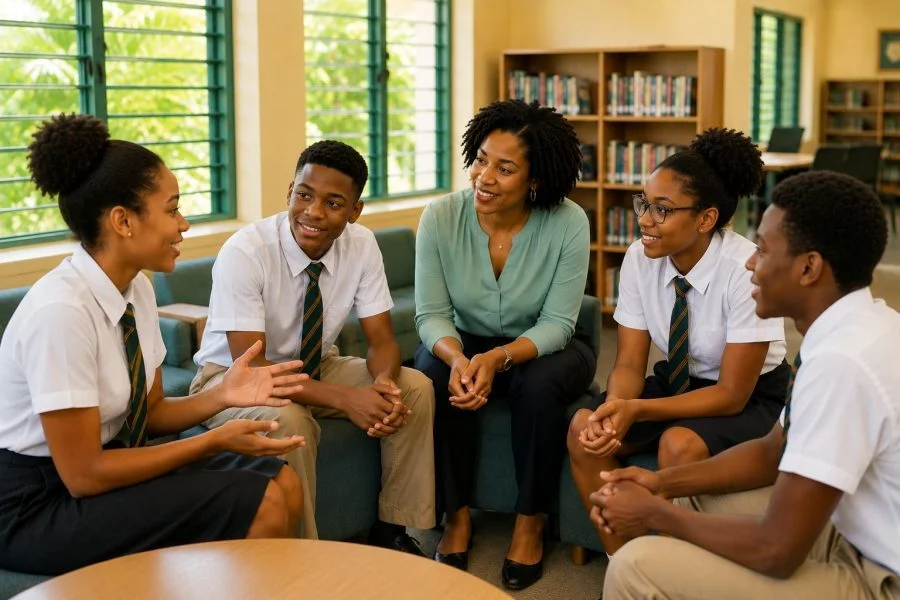
Schools & Educators
Supporting students, educators, and school communities in promoting emotional wellness, nurturing belonging, and building resilience through culturally responsive, trauma-informed programs.
Rooted in Caribbean wisdom and resilience.
Created to support today’s school communities.
-
Helping Students Thrive
Helping children and teens build the emotional awareness, coping skills, confidence, and resilience needed to thrive in school and life.
Students, educators, school counselors, and youth-serving professionals.Students face increasing academic, social, and emotional pressures that can affect their well-being, relationships, and ability to learn. This workshop equips school communities with practical, age-appropriate strategies to help students better understand their emotions, manage challenges, strengthen self-confidence, and develop healthy coping strategies. Grounded in Bahali’s culturally responsive and trauma-informed approach, the workshop promotes emotional wellness as a foundation for learning, growth, and lifelong success.
Participants will explore:
Understanding emotions and recognizing how they influence thoughts, behaviors, and relationshipsBuilding healthy coping skills for managing stress, frustration, disappointment, and anxietyStrengthening self-confidence, emotional resilience, and problem-solving abilitiesEncouraging help-seeking, self-advocacy, and supportive peer connectionsCreating school environments that support emotional wellness, growth, and student success -
Creating Cultures of Belonging
Helping schools foster connection, inclusion, and meaningful relationships so every student feels seen, valued, and supported.
Educators, school counselors, administrators, support staff, and school communities.A strong sense of belonging is one of the most important factors influencing student well-being, engagement, and success. When students feel connected to their peers, educators, and school community, they are more likely to participate, persevere through challenges, and thrive. This workshop explores practical strategies for creating welcoming, inclusive school environments where every student experiences connection, respect, and a sense of purpose.
Participants will explore:
Understanding the role of belonging in emotional wellness, learning, and student successCreating inclusive environments where students feel respected, valued, and connectedStrengthening peer relationships through empathy, kindness, and positive communicationRecognizing and addressing barriers that may contribute to isolation, exclusion, or disconnectionBuilding school cultures that promote connection, community, and a shared sense of belonging -
Making Mental Wellness Matter
Building understanding, reducing stigma, and creating supportive school communities where emotional wellness is valued and openly discussed.
Students, educators, school counselors, administrators, families, and school communities.Mental wellness is an essential part of overall health, yet many young people and adults continue to face stigma, misunderstanding, and barriers to seeking support. In many Caribbean and multicultural communities, conversations about emotional well-being are often limited, leaving individuals to struggle in silence. This workshop helps schools foster a culture of awareness, compassion, and understanding while equipping participants with practical knowledge to promote emotional wellness and encourage help-seeking when needed.
Participants will explore:
Understanding the connection between emotional wellness, learning, relationships, and overall well-beingRecognizing common signs of stress, emotional distress, and when additional support may be neededChallenging myths, stigma, and misconceptions surrounding mental health and emotional wellnessEncouraging supportive conversations and help-seeking among students, families, and staffCreating school communities where emotional wellness is normalized, valued, and supported -
Strengthening Family Partnerships
Building meaningful connections between schools and families to support student well-being, learning, and long-term success.
Educators, school counselors, administrators, parents, caregivers, and family engagement teams.Strong partnerships between schools and families create a foundation for student success. When caregivers and educators work together, students benefit from greater consistency, support, and connection across home and school environments. This workshop explores practical, culturally responsive approaches to strengthening communication, building trust, and fostering collaborative relationships that support the well-being and development of children and teens.
Participants will explore:
Understanding the important role families play in supporting student wellness, growth, and achievementBuilding trust and strengthening communication between schools, caregivers, and communitiesCreating meaningful opportunities for family engagement that are welcoming, inclusive, and culturally responsiveNavigating challenges and difficult conversations with empathy, respect, and collaborationDeveloping shared approaches that support student well-being, resilience, and success across home and school settings -
Sustaining Educator Well-Being
Supporting educators in caring for their own well-being so they can continue teaching, leading, and serving with purpose, presence, and resilience.
Teachers, school counselors, administrators, support staff, and school leaders.Educators play a vital role in students’ lives, often balancing the demands of teaching, caregiving, leadership, and responding to others’ needs. Over time, these responsibilities can contribute to stress, exhaustion, and burnout. This workshop creates space for educators to reflect on their own well-being while learning practical strategies that promote resilience, restore balance, and support sustainable caregiving. By investing in educator wellness, schools strengthen not only their staff but the entire school community.
Participants will explore:
Recognizing the impact of stress, burnout, and compassion fatigue on personal and professional well-beingIdentifying practical strategies for managing stress and building everyday resilienceEstablishing healthy boundaries that support both effectiveness and well-beingCultivating self-compassion, reflection, and restorative practices that promote long-term wellnessCreating school cultures that prioritize staff well-being, connection, and mutual support -
Building Resilient School Communities
Helping schools prepare for, navigate, and recover from adversity, change, and community challenges with resilience, connection, and hope.
Educators, school counselors, administrators, support staff, families, and school communities.Schools play a critical role in helping children, families, and staff respond to life’s challenges. Whether facing natural disasters, community crises, loss, periods of uncertainty, or significant change, resilient school communities are better equipped to support well-being, maintain connection, and foster recovery. Drawing on Bahali’s experience in community healing and disaster recovery, this workshop provides practical, trauma-informed strategies that strengthen resilience before, during, and after difficult times.
Participants will explore:
Understanding resilience as a skill that can be nurtured in individuals, relationships, and communitiesRecognizing the impact of adversity, loss, uncertainty, and change on students, families, and educatorsBuilding protective factors that promote emotional wellness, coping, and recoverySupporting supportive communication, connection, and help-seeking during challenging timesCreating school communities that foster resilience, adaptability, and collective healing
Community & Responders
Equipping community leaders, volunteers, responders, and helping adults with practical tools to support emotional wellness, resilience, and recovery.


-
Community Healing After Crisis
Supporting emotional recovery, connection, and hope after disasters, community trauma, and other challenging events.
Community organizations, faith communities, volunteers, outreach teams, neighborhood leaders, and community members seeking to support recovery and well-being after challenging events.When communities experience hurricanes, violence, loss, displacement, or other crises, emotional recovery is just as important as physical recovery. This workshop helps participants understand common reactions to stress and trauma, strengthen community connections, and identify practical ways to support healing and resilience in the weeks and months that follow.
Participants will explore:
Common emotional, physical, and behavioral reactions following a crisisHow trauma and stress can affect individuals, families, and communitiesPractical strategies for restoring routines, stability, and connectionWays to support children, teens, adults, and older adults after difficult eventsCommunity strengths that promote healing, resilience, and hopeWhen and how to connect individuals with additional support and resources -
Psychological First Aid for Community Helpers
Practical skills for providing compassionate, supportive care during times of stress, crisis, and recovery.
Volunteers, faith leaders, community leaders, outreach workers, youth mentors, nonprofit staff, disaster response teams, and others who support individuals and families during challenging times.Community helpers are often among the first people individuals turn to after a difficult event. This workshop introduces the core principles of Psychological First Aid (PFA), helping participants respond with empathy, reduce distress, and connect individuals with appropriate support while staying within their role and maintaining healthy boundaries.
Participants will explore:
The principles and goals of Psychological First AidHow to listen with compassion and provide emotional supportStrategies for helping individuals feel safe, calm, and connectedPractical grounding and coping techniques that can be used in the momentRecognizing signs that someone may need additional supportAppropriate boundaries and referral pathways for community helpers -
Caring for the Caregiver
Supporting the well-being of those who care for others so they can continue to serve with presence, compassion, and resilience.
Family caregivers, volunteers, faith leaders, community leaders, outreach workers, helping professionals, and anyone who regularly provides care or support to others.Whether supporting family members, community groups, clients, or neighbors, caregivers and helpers often carry significant emotional responsibilities. This workshop focuses on recognizing the impact of caregiving, preventing burnout, and developing sustainable practices that support long-term well-being while continuing to care for others effectively.
Participants will explore:
The emotional impact of caregiving and helping rolesSigns of stress, burnout, compassion fatigue, and overwhelmPractical strategies for managing stress and restoring balanceThe importance of boundaries, self-compassion, and realistic expectationsBuilding personal wellness practices that support resilienceIdentifying sources of support and connection within the community -
Supporting Children After Difficult Events
Helping adults understand and respond to children’s emotional needs following stressful, frightening, or life-changing experiences.
Parents, caregivers, educators, faith leaders, youth mentors, community volunteers, and others who support children and families.Children often express stress, grief, and uncertainty differently from adults. This workshop helps caregivers, educators, and community helpers recognize common reactions to difficult events and learn practical ways to support children’s sense of safety, connection, and emotional well-being during times of challenge and recovery.
Participants will explore:
How children of different ages may respond to stress, loss, crisis, and changeCommon emotional, behavioral, and physical reactions following difficult eventsStrategies for helping children feel safe, supported, and understoodAge-appropriate ways to talk with children about challenging experiencesPractical coping and emotional regulation tools that adults can teach and modelSigns that a child may benefit from additional support or professional services -
Building Resilient Communities
Strengthening connection, belonging, and collective well-being so communities can adapt, recover, and thrive through life’s challenges.
Community leaders, faith communities, nonprofit organizations, neighborhood groups, volunteers, outreach teams, and anyone interested in fostering stronger, healthier communities.Resilient communities are built on strong relationships, shared strengths, and a commitment to supporting one another. This workshop explores how communities can foster connection, promote emotional well-being, and develop the resources and networks needed to navigate adversity while maintaining hope and collective strength.
Participants will explore:
The key characteristics of resilient and connected communitiesHow relationships and social support contribute to emotional well-beingCommunity strengths that promote healing, belonging, and hopePractical strategies for strengthening connection and mutual supportWays to encourage community engagement, inclusion, and collective careBuilding a culture of resilience before, during, and after challenging events -
Disaster Recovery & Emotional Wellness
Supporting emotional recovery, resilience, and community connection before, during, and after life’s most challenging events.
Community members, volunteers, faith leaders, educators, responders, and organizations supporting recovery and resilience after disasters.Disasters and community crises can affect every aspect of well-being, leaving individuals and families to navigate stress, uncertainty, grief, and significant life changes. This workshop explores how people and communities can strengthen emotional wellness, support one another, and foster resilience throughout the recovery process. Participants will gain practical tools for coping, healing, and rebuilding a sense of stability, hope, and connection.
Participants will explore:
Common emotional and behavioral responses following disasters, crises, and community disruptions.Practical strategies for managing stress, anxiety, grief, uncertainty, and ongoing recovery challenges.Ways to support children, older adults, caregivers, and other vulnerable community members.Approaches for rebuilding routines, strengthening relationships, and restoring a sense of safety and stability.Community-centered practices that promote resilience, connection, and long-term emotional well-being.


Rooted in Caribbean strength and community care.
Created to support those who help others.
Community & Responders
Equipping community leaders, volunteers, responders, and helping adults with practical tools to support emotional wellness, resilience, and recovery.
Rooted in Caribbean strength and community care.
Created to support those who help others.
-
Community Healing After Crisis
Supporting emotional recovery, connection, and hope after disasters, community trauma, and other challenging events.
Community organizations, faith communities, volunteers, outreach teams, neighborhood leaders, and community members seeking to support recovery and well-being after challenging events.When communities experience hurricanes, violence, loss, displacement, or other crises, emotional recovery is just as important as physical recovery. This workshop helps participants understand common reactions to stress and trauma, strengthen community connections, and identify practical ways to support healing and resilience in the weeks and months that follow.
Participants will explore:
Common emotional, physical, and behavioral reactions following a crisisHow trauma and stress can affect individuals, families, and communitiesPractical strategies for restoring routines, stability, and connectionWays to support children, teens, adults, and older adults after difficult eventsCommunity strengths that promote healing, resilience, and hopeWhen and how to connect individuals with additional support and resources -
Psychological First Aid for Community Helpers
Practical skills for providing compassionate, supportive care during times of stress, crisis, and recovery.
Volunteers, faith leaders, community leaders, outreach workers, youth mentors, nonprofit staff, disaster response teams, and others who support individuals and families during challenging times.Community helpers are often among the first people individuals turn to after a difficult event. This workshop introduces the core principles of Psychological First Aid (PFA), helping participants respond with empathy, reduce distress, and connect individuals with appropriate support while staying within their role and maintaining healthy boundaries.
Participants will explore:
The principles and goals of Psychological First AidHow to listen with compassion and provide emotional supportStrategies for helping individuals feel safe, calm, and connectedPractical grounding and coping techniques that can be used in the momentRecognizing signs that someone may need additional supportAppropriate boundaries and referral pathways for community helpers -
Caring for the Caregiver
Supporting the well-being of those who care for others so they can continue to serve with presence, compassion, and resilience.
Family caregivers, volunteers, faith leaders, community leaders, outreach workers, helping professionals, and anyone who regularly provides care or support to others.Whether supporting family members, community groups, clients, or neighbors, caregivers and helpers often carry significant emotional responsibilities. This workshop focuses on recognizing the impact of caregiving, preventing burnout, and developing sustainable practices that support long-term well-being while continuing to care for others effectively.
Participants will explore:
The emotional impact of caregiving and helping rolesSigns of stress, burnout, compassion fatigue, and overwhelmPractical strategies for managing stress and restoring balanceThe importance of boundaries, self-compassion, and realistic expectationsBuilding personal wellness practices that support resilienceIdentifying sources of support and connection within the community -
Supporting Children After Difficult Events
Helping adults understand and respond to children’s emotional needs following stressful, frightening, or life-changing experiences.
Parents, caregivers, educators, faith leaders, youth mentors, community volunteers, and others who support children and families.Children often express stress, grief, and uncertainty differently from adults. This workshop helps caregivers, educators, and community helpers recognize common reactions to difficult events and learn practical ways to support children’s sense of safety, connection, and emotional well-being during times of challenge and recovery.
Participants will explore:
How children of different ages may respond to stress, loss, crisis, and changeCommon emotional, behavioral, and physical reactions following difficult eventsStrategies for helping children feel safe, supported, and understoodAge-appropriate ways to talk with children about challenging experiencesPractical coping and emotional regulation tools that adults can teach and modelSigns that a child may benefit from additional support or professional services -
Building Resilient Communities
Strengthening connection, belonging, and collective well-being so communities can adapt, recover, and thrive through life’s challenges.
Community leaders, faith communities, nonprofit organizations, neighborhood groups, volunteers, outreach teams, and anyone interested in fostering stronger, healthier communities.Resilient communities are built on strong relationships, shared strengths, and a commitment to supporting one another. This workshop explores how communities can foster connection, promote emotional well-being, and develop the resources and networks needed to navigate adversity while maintaining hope and collective strength.
Participants will explore:
The key characteristics of resilient and connected communitiesHow relationships and social support contribute to emotional well-beingCommunity strengths that promote healing, belonging, and hopePractical strategies for strengthening connection and mutual supportWays to encourage community engagement, inclusion, and collective careBuilding a culture of resilience before, during, and after challenging events -
Disaster Recovery & Emotional Wellness
Supporting emotional recovery, resilience, and community connection before, during, and after life’s most challenging events.
Community members, volunteers, faith leaders, educators, responders, and organizations supporting recovery and resilience after disasters.Disasters and community crises can affect every aspect of well-being, leaving individuals and families to navigate stress, uncertainty, grief, and significant life changes. This workshop explores how people and communities can strengthen emotional wellness, support one another, and foster resilience throughout the recovery process. Participants will gain practical tools for coping, healing, and rebuilding a sense of stability, hope, and connection.
Participants will explore:
Common emotional and behavioral responses following disasters, crises, and community disruptions.Practical strategies for managing stress, anxiety, grief, uncertainty, and ongoing recovery challenges.Ways to support children, older adults, caregivers, and other vulnerable community members.Approaches for rebuilding routines, strengthening relationships, and restoring a sense of safety and stability.Community-centered practices that promote resilience, connection, and long-term emotional well-being.

Organizations & Helping Professionals
Supporting the people who support others through trauma-informed, wellness-focused programs that strengthen resilience, connection, and compassionate care.


-
Leading a Culture of Wellness
Creating workplaces where people feel supported, connected, and empowered to thrive.
Organizational leaders, managers, supervisors, HR professionals, helping professionals, nonprofit teams, educators, and workplace wellness champions.A healthy organization begins with a culture that values people as much as performance. This workshop explores how leaders and teams can foster environments that promote well-being, strengthen relationships, and support sustainable success. Participants will learn practical strategies for embedding wellness into everyday leadership practices, workplace culture, and organizational decision-making.
Participants will explore:
The characteristics of wellness-centered leadership and organizational culture.Practical strategies for fostering psychological safety, trust, and belonging in the workplace.Ways to support employee well-being while strengthening engagement, collaboration, and resilience.Approaches for integrating wellness into communication, policies, and everyday workplace practices.Action steps for creating a more supportive, connected, and people-centered organizational culture. -
Trauma-Informed Organizations
Creating workplace cultures that promote safety, trust, and well-being while recognizing the impact of stress, adversity, and trauma.
Organizational leaders, managers, supervisors, HR professionals, helping professionals, educators, nonprofit teams, and workplace wellness champions.People bring their life experiences into the workplace, including the effects of stress, adversity, and trauma. This workshop explores how organizations can foster environments that support psychological safety, strengthen relationships, and promote resilience among employees and teams. Participants will learn practical strategies for embedding trauma-informed principles into leadership, communication, and organizational culture.
Participants will explore:
The impact of stress, adversity, and trauma on individuals, teams, and workplace culture.The core principles of trauma-informed organizations, including safety, trust, collaboration, empowerment, and cultural responsiveness.Ways to recognize and respond to signs of stress, burnout, and emotional distress with compassion and effectiveness.Practical approaches for integrating trauma-informed practices into leadership, communication, and organizational systems. -
Preventing Burnout Before It Begins
Supporting well-being, resilience, and sustainability in the workplace.
Helping professionals, nonprofit organizations, educators, healthcare workers, faith leaders, community-based organizations, supervisors, managers, and teams seeking to foster a healthier and more sustainable workplace culture.Burnout often develops gradually, making it difficult to recognize until it begins affecting well-being, performance, relationships, and overall job satisfaction. This workshop helps participants identify early warning signs of burnout, understand factors that contribute to chronic stress, and explore practical strategies for maintaining emotional wellness, healthy boundaries, and long-term resilience.
Participants will explore:
Early signs and symptoms of burnout, chronic stress, and compassion fatigueWorkplace and personal factors that contribute to stress and emotional exhaustionPractical strategies for maintaining energy, balance, and emotional well-beingHealthy boundaries that support both effectiveness and personal wellnessProtective factors that strengthen resilience, engagement, and job satisfactionWays organizations can foster supportive workplace cultures that promote wellness, connection, and sustainabilityCreating a personalized plan to support long-term well-being and prevent burnout before it begins -
Wellness-Centered Leadership
Equipping leaders to build cultures of trust, well-being, and sustainable performance.
Executive leaders, supervisors, managers, team leads, nonprofit directors, school administrators, healthcare leaders, faith-based organization leaders, and human resource professionals.Leaders play a powerful role in shaping workplace culture. The way leaders communicate, respond to stress, support their teams, and model healthy practices influences employee well-being, engagement, morale, and retention. This workshop provides practical strategies for creating environments where people feel valued, connected, supported, and able to thrive.
Participants will explore:
Recognize how leadership behaviors influence workplace well-beingBuild trust, psychological safety, and meaningful team connectionRespond effectively to stress, change, and workplace challengesFoster resilience while reducing burnout and compassion fatigueEncourage healthy communication, boundaries, and collaborationCreate a culture that supports both employee wellness and organizational success

Rooted in well-being, leadership, and human connection.
Created to strengthen the people and cultures that support others.
Organizations & Helping Professionals
Supporting the people who support others through trauma-informed, wellness-focused programs that strengthen resilience, connection, and compassionate care.
Rooted in well-being, leadership, and human connection.
Created to strengthen the people and cultures that support others.
-
Leading a Culture of Wellness
Creating workplaces where people feel supported, connected, and empowered to thrive.
Organizational leaders, managers, supervisors, HR professionals, helping professionals, nonprofit teams, educators, and workplace wellness champions.A healthy organization begins with a culture that values people as much as performance. This workshop explores how leaders and teams can foster environments that promote well-being, strengthen relationships, and support sustainable success. Participants will learn practical strategies for embedding wellness into everyday leadership practices, workplace culture, and organizational decision-making.
Participants will explore:
The characteristics of wellness-centered leadership and organizational culture.Practical strategies for fostering psychological safety, trust, and belonging in the workplace.Ways to support employee well-being while strengthening engagement, collaboration, and resilience.Approaches for integrating wellness into communication, policies, and everyday workplace practices.Action steps for creating a more supportive, connected, and people-centered organizational culture. -
Trauma-Informed Organizations
Creating workplace cultures that promote safety, trust, and well-being while recognizing the impact of stress, adversity, and trauma.
Volunteers, faith leaders, community leaders, outreach workers, youth mentors, nonprofit staff, disaster response teams, and others who support individuals and families during challenging times.People bring their life experiences into the workplace, including the effects of stress, adversity, and trauma. This workshop explores how organizations can foster environments that support psychological safety, strengthen relationships, and promote resilience among employees and teams. Participants will learn practical strategies for embedding trauma-informed principles into leadership, communication, and organizational culture.
Participants will explore:
The impact of stress, adversity, and trauma on individuals, teams, and workplace culture.The core principles of trauma-informed organizations, including safety, trust, collaboration, empowerment, and cultural responsiveness.Ways to recognize and respond to signs of stress, burnout, and emotional distress with compassion and effectiveness.Practical approaches for integrating trauma-informed practices into leadership, communication, and organizational systems. -
Preventing Burnout Before It Begins
Supporting well-being, resilience, and sustainability in the workplace.
Helping professionals, nonprofit organizations, educators, healthcare workers, faith leaders, community-based organizations, supervisors, managers, and teams seeking to foster a healthier and more sustainable workplace culture.Burnout often develops gradually, making it difficult to recognize until it begins affecting well-being, performance, relationships, and overall job satisfaction. This workshop helps participants identify early warning signs of burnout, understand factors that contribute to chronic stress, and explore practical strategies for maintaining emotional wellness, healthy boundaries, and long-term resilience.
Participants will explore:
Early signs and symptoms of burnout, chronic stress, and compassion fatigueWorkplace and personal factors that contribute to stress and emotional exhaustionPractical strategies for maintaining energy, balance, and emotional well-beingHealthy boundaries that support both effectiveness and personal wellnessProtective factors that strengthen resilience, engagement, and job satisfactionWays organizations can foster supportive workplace cultures that promote wellness, connection, and sustainabilityCreating a personalized plan to support long-term well-being and prevent burnout before it begins -
Wellness-Centered Leadership
Equipping leaders to build cultures of trust, well-being, and sustainable performance.
Executive leaders, supervisors, managers, team leads, nonprofit directors, school administrators, healthcare leaders, faith-based organization leaders, and human resource professionals.Leaders play a powerful role in shaping workplace culture. The way leaders communicate, respond to stress, support their teams, and model healthy practices influences employee well-being, engagement, morale, and retention. This workshop provides practical strategies for creating environments where people feel valued, connected, supported, and able to thrive.
Participants will explore:
Recognize how leadership behaviors influence workplace well-beingBuild trust, psychological safety, and meaningful team connectionRespond effectively to stress, change, and workplace challengesFoster resilience while reducing burnout and compassion fatigueEncourage healthy communication, boundaries, and collaborationCreate a culture that supports both employee wellness and organizational success
HOW WE DELIVER PROGRAMS
Flexible, accessible, and culturally grounded
On-site or virtual workshops for students, educators, and school communities.

Programs for congregations, ministries, and faith-based organizations.
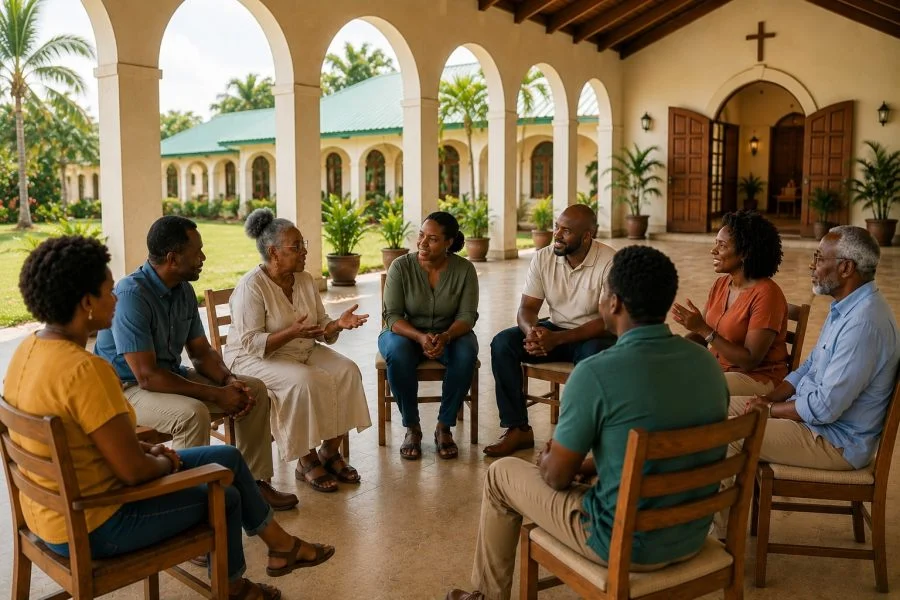
Workshops in Community Centers, Libraries, and Neighborhoods

Live online workshops and webinars anywhere

Customized programs designed to meet your goals, audience, and community needs.

Bring Bahali to Your Community
Whether you are a parent group, school district, church, nonprofit, healthcare organization, or community initiative, we will work with you to create meaningful experiences rooted in connection, culture, and care.
HOW WE DELIVER PROGRAMS
Flexible, accessible, and culturally grounded
In Schools
Faith Communities
Community Spaces
Virtual
Customized
Bring Bahali to Your Community
Whether you are a parent group, school district, church, nonprofit, healthcare organization, or community initiative, we will work with you to create meaningful experiences rooted in connection, culture, and care.
Together, we can reach
even more communities.
Every program grows because people choose to stand alongside
children, families, educators, and community leaders
working toward a healthier future.
Together, we can reach even more communities.
Every program grows because people choose to stand alongside children, families, educators, and community leaders working toward a healthier future.